In the Yellow Zone
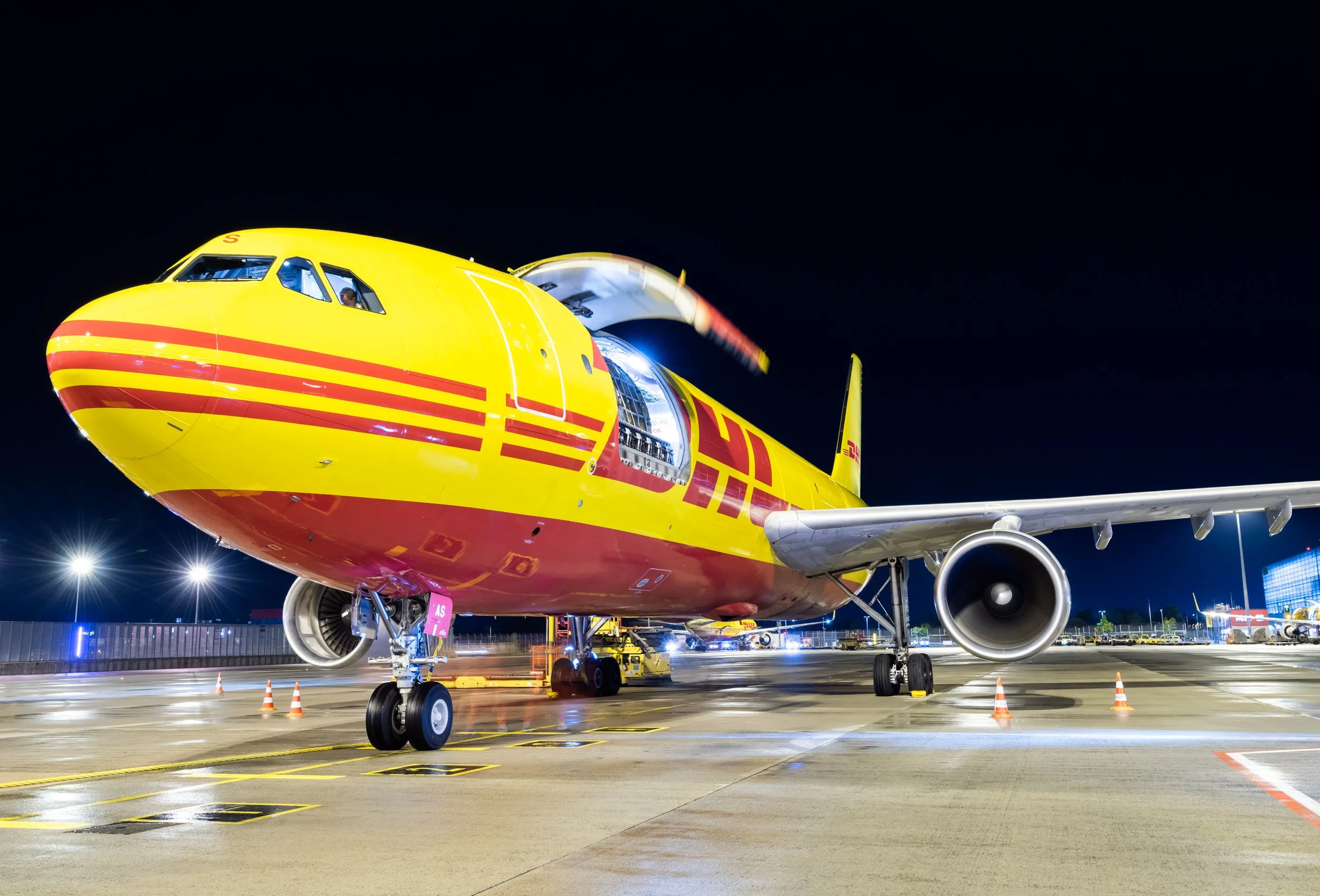
European Air Transport Leipzig (EAT Leipzig) is a German cargo airline and a wholly owned subsidiary of the global logistics giant DHL Express. EAT fuels the DHL hub at Leipzig/Halle Airport (LEJ), serving as a crucial component of DHL's air cargo network bringing in parcels from all over the world. With their self-sufficient approach to staff development and equipment upkeep, the company distinguishes itself from the crowd managing all aspects of running an airline and an MRO (Maintenance, Repair, and Overhaul) facility under one roof. Stewart Marshall travelled to Leipzig to uncover the inner workings of DHL’s equivalent of the swiss knife.
Introduction
It only took two years to build one of the world's largest and most modern logistics hubs for DHL's express network. DHL broke ground on their new Leipzig facility in January 2006 to serve as their primary European hub for air freight operations, following their decision to relocate from their original Brussels Airport (BRU) hub. Belgian authorities had imposed limits on night flights at Brussels Airport due to noise complaints from local residents, which for an express delivery service like DHL, that relies heavily on overnight flights to meet delivery deadlines, presented a major obstacle to its growth and expansion plans. Leipzig was selected as the successor owing to their ample space to build, 24/7 operations with no restriction on night flying which better aligned with the company’s future growth strategy. The sheer size of the DHL Leipzig campus cannot be understated with the airfield apron alone covering some 640,000 square meters and overall site being more than 2 million square meters, close in size to the country of Monaco.
As part of the move, a major investment was made in building a large, state-of-the-art hangar and maintenance facility to support the fleet, and so European Air Transport (EAT) Leipzig was established as a fully-fledged maintenance operation in 2008. The move to Leipzig also required the establishment of a new, licensed German airline to operate the DHL Express network from Germany, resulting in the original Belgian company, European Air Transport N.V. (EAT Belgium) being dissolved and assets transferred to EAT Leipzig as the company received its Air Operator Certificate (AOC) in March 2010.
Roots in Maintenance
EAT Leipzig was initially formed as an aircraft maintenance company in 2005 focused on handling the maintenance duties for DHL's cargo aircraft and their airline partners. Alongside DHL’s logistics hub gearing up at Leipzig, the new MRO facility opened its doors in May 2008 with 23,000 square meters of indoor space, capable of stacking a mix of 10 medium-size jets or two Airbus A380’s comfortably side by side. The facility is a true powerhouse, combining efficiency and sustainability - the building itself is formed mostly of translucent plastic panelling to maximise natural light and some of the hangar’s electrical demand is being fed via the solar panels covering the roof of the facility. The hangar was initially utilised to conduct all aspects of line maintenance with approvals for base maintenance coming at a later date, however, as the Europe-based DHL fleet has grown exponentially over time, some of these time-consuming tasks have since been moved to other stations to free up capacity.
The primary focus is now the day-to-day line maintenance to keep their aircraft flowing in and out of Leipzig, along with the fleet of their DHL partners; Aerologic (777), DHL Air U.K (757,767,777), DHL Air Austria (757/767), DHL Air Bahrain (767) and ASL Airlines Ireland (A300). Due to the demand on their department, the MRO has in recent years taken over the lease of another 8500 square meter hangar at the other side of Leipzig Airport, which was previously utilised by Volga Dnepr for Antonov An-124 maintenance prior to Russia’s invasion of Ukraine.
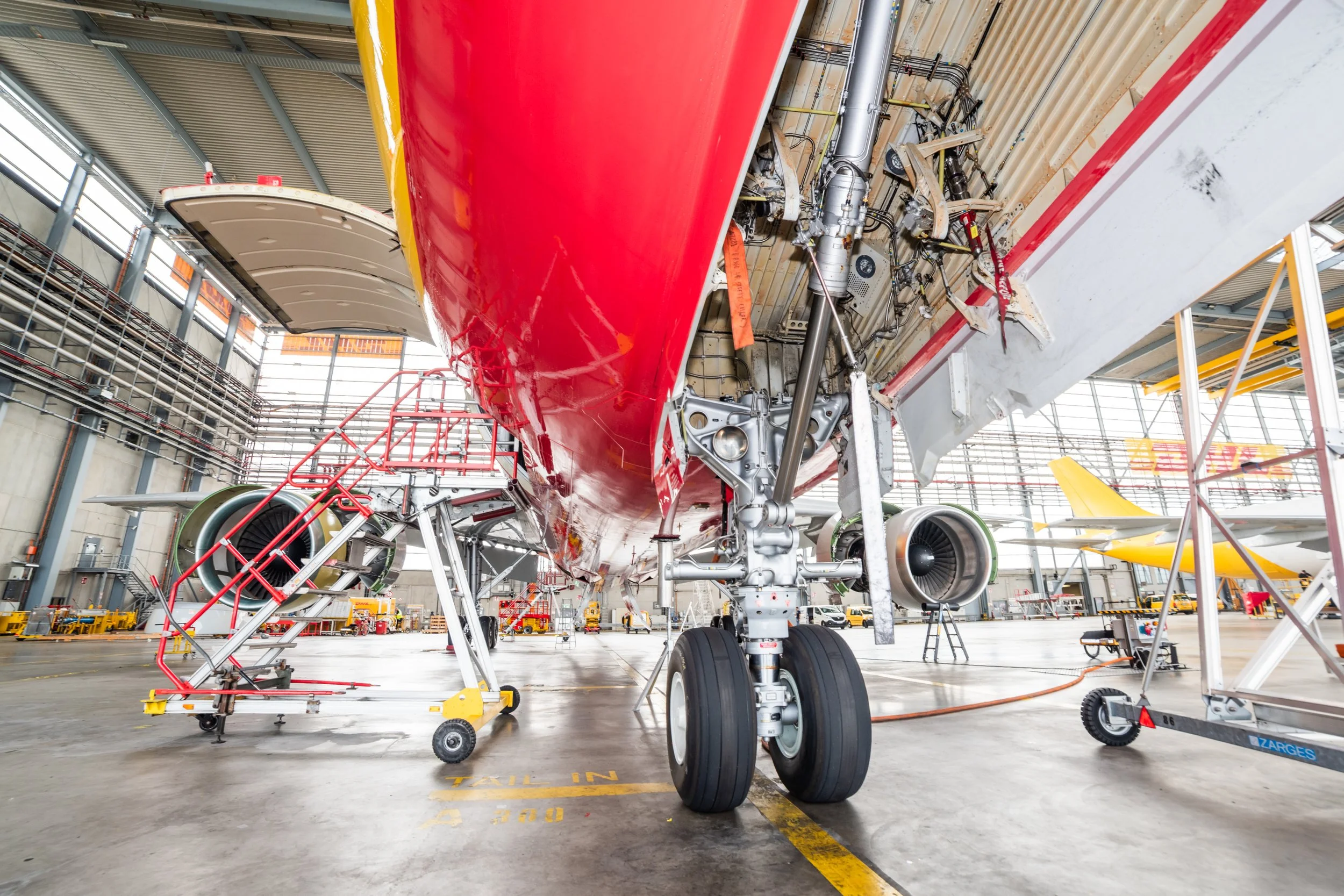
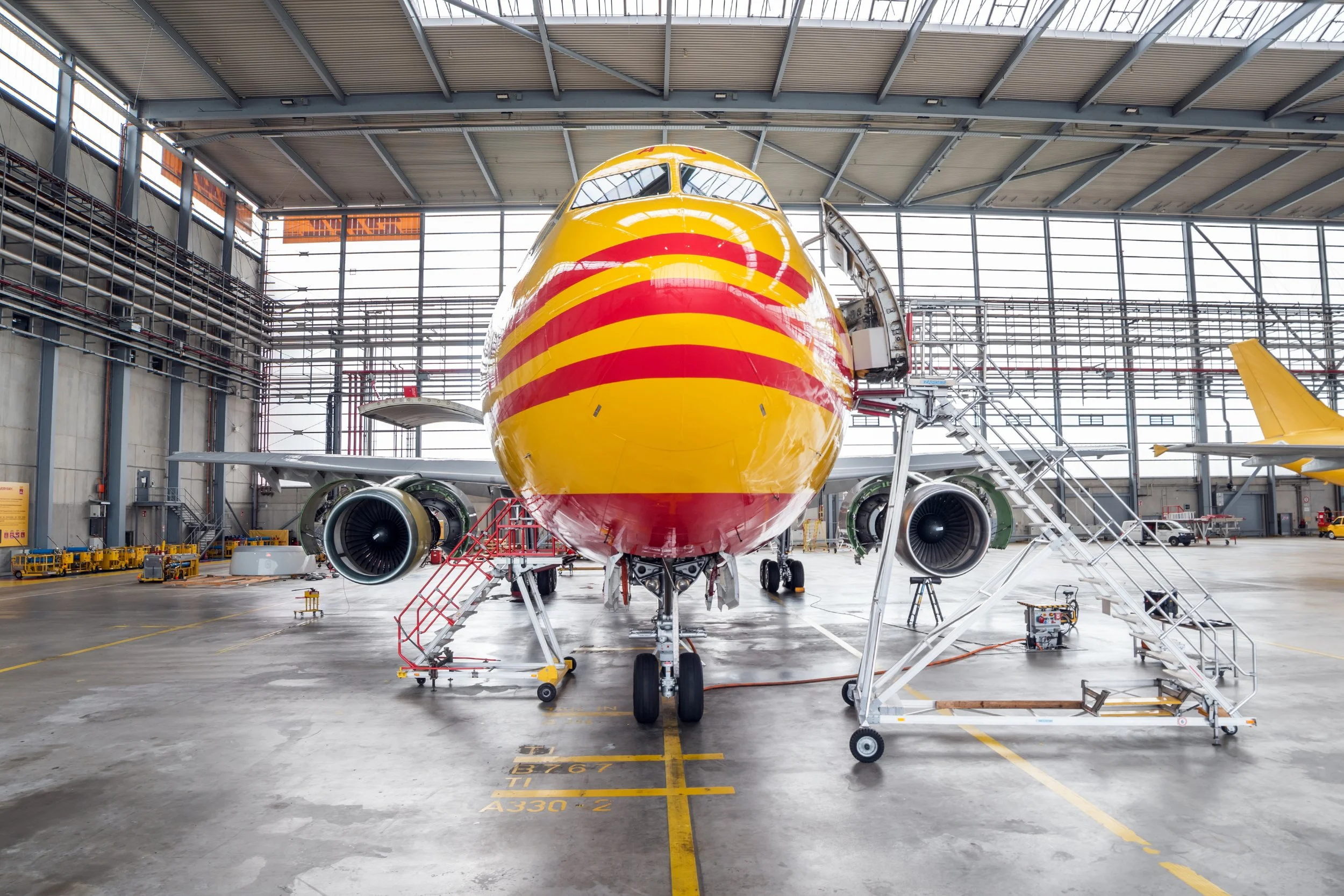
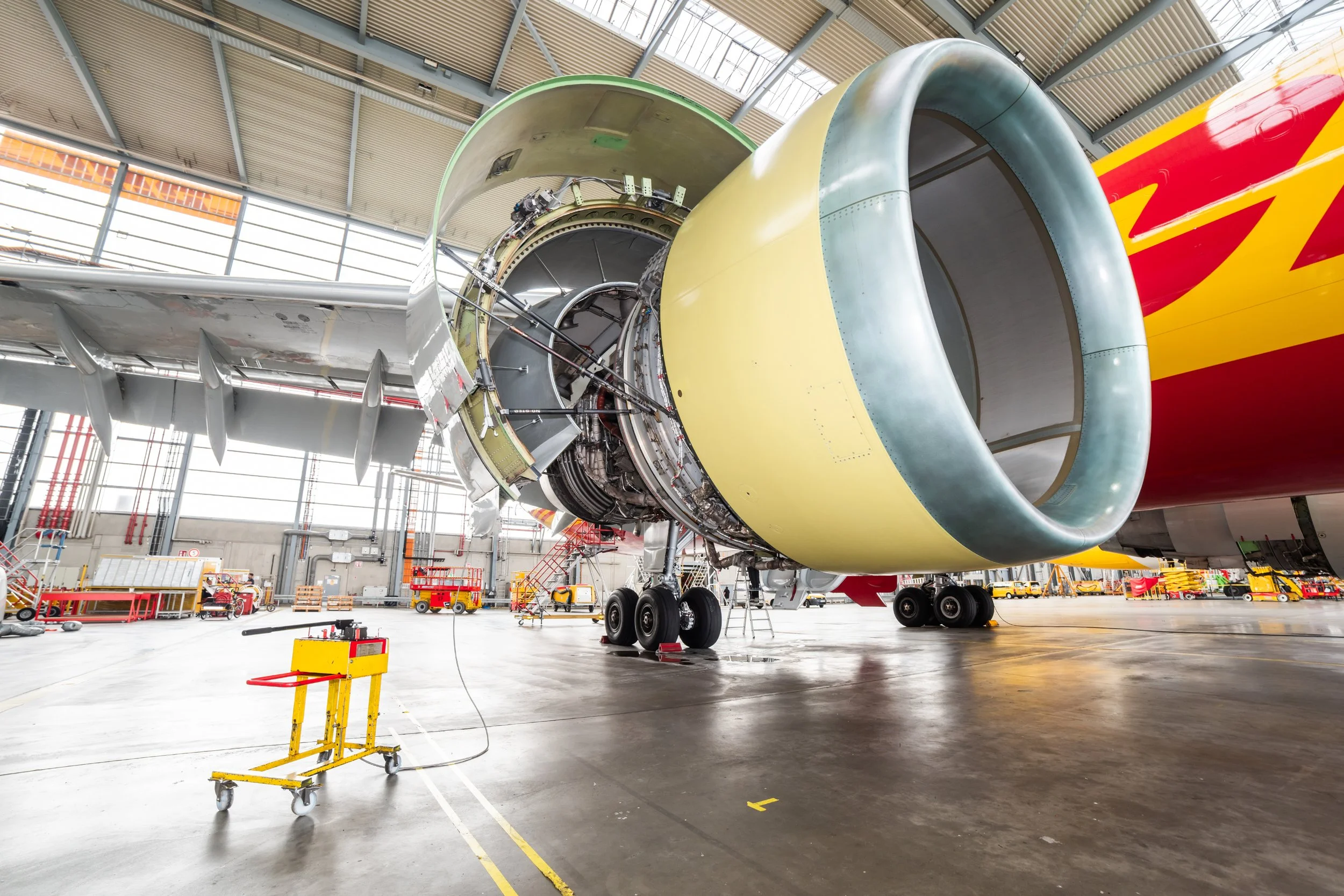
Mathias Munder, EAT Leipzig’s Lead Engineer for Tooling & GSE provided an overview of the facilities operations:
“We had to move some aircraft A and L checks to other stations as the demand for the hangar has grown significantly, although we still maintain the base license in case some tasks lapse into timeframes which would be considered a base maintenance event. Currently we have approximately 500 employees in our maintenance arm which look after 114 aircraft and equipment from EAT and our DHL partners. Our goal is to be self-sufficient so that aircraft are returned to the line as quickly as possible and make room for others awaiting attention since there’s a constant flow. The weekend can be a particularly busy time for us with 70% of our fleet on the ground here at once, so we take advantage of the downtime to conduct a variety of tasks from snag rectification, service checks or major component changes such as landing gear, engine or structural repairs. We commonly have a full hangar of 10 aircraft which could be rotated 3 or 4 times in a single weekend.”
The facility has an inventory with over 3 million spare parts and 10,000 tools so they are well equipped to handle any scenario presented. Alongside the work ongoing in the hangars, the MRO operates several small repair and overhaul workshops for fixing items such as aircraft external lights, batteries and other components which might cause significant restrictions or cause an aircraft to become AOG (Aircraft on ground or “grounded”). Even with their heavy workload in the hangar, EAT goes several steps further than just aircraft maintenance, with teams on hand who maintain engineering tools, work kits and the ground support equipment used by the airline such as lifters, steps and service trolleys. The company’s mechanics, pilots or ground staff can report any equipment issues to be addressed, and the maintenance teams can access pre-assembled tool kits and their massive inventory which streamlines the turnaround with the whole process being conducted in-house. The philosophy of doing this is that EAT can rectify most issues immediately with little or no impact on their flight operations and their customers deliveries.
“You learn it takes too much time to send every item away” Munder stated. “It can take a long time to get components returned from the manufacturers particularly with regards to tooling issues. We rectify most things inhouse however if needed we try to get everything dealt with locally or in Germany to keep the turnaround time as little as possible.”
Their goal of quick and efficient fixes has been achieved through their personnels “can do” attitude to resolving any problems presented. Recently an EAT Airbus A330-200F required an engine change at Brussels (BRU), the MRO instantly jumped into action, sending an engineering team onboard another EAT flight to prepare the aircraft, whilst the replacement engine was being trucked by road from Leipzig to Brussels. The well-coordinated operation meant the aircraft was out of service for minimal time and conveys the dynamic approach taken by the company to keeping their operations running.
Delivering Europe & Beyond
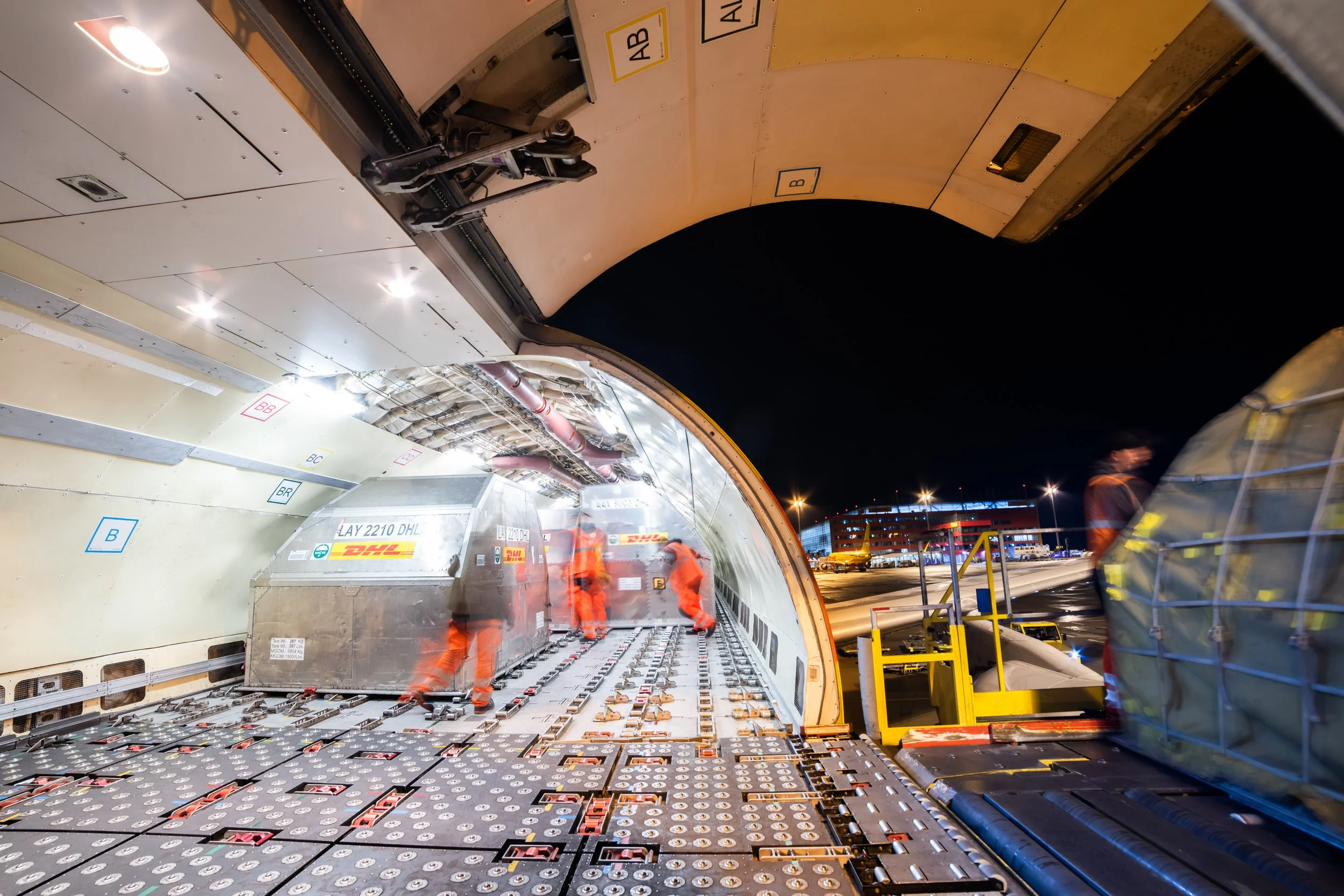
In late 2025 EAT Leipzig is operating 60 flights per day to 50 destinations with most of these being conducted during the night. The Leipzig apron sits dormant during daylight hours and then springs to life around midnight every weekday, when there’s a 2-hour arrival wave with flights coming in from every major city across Europe, with the apron going from empty to maximum capacity. DHL’s Leipzig logistics centre works as a hub and spoke operation, with freight flowing into the hub for sorting and consolidation, before being loaded onto the next flight headed to another corner of Europe during the early hours of the same morning.
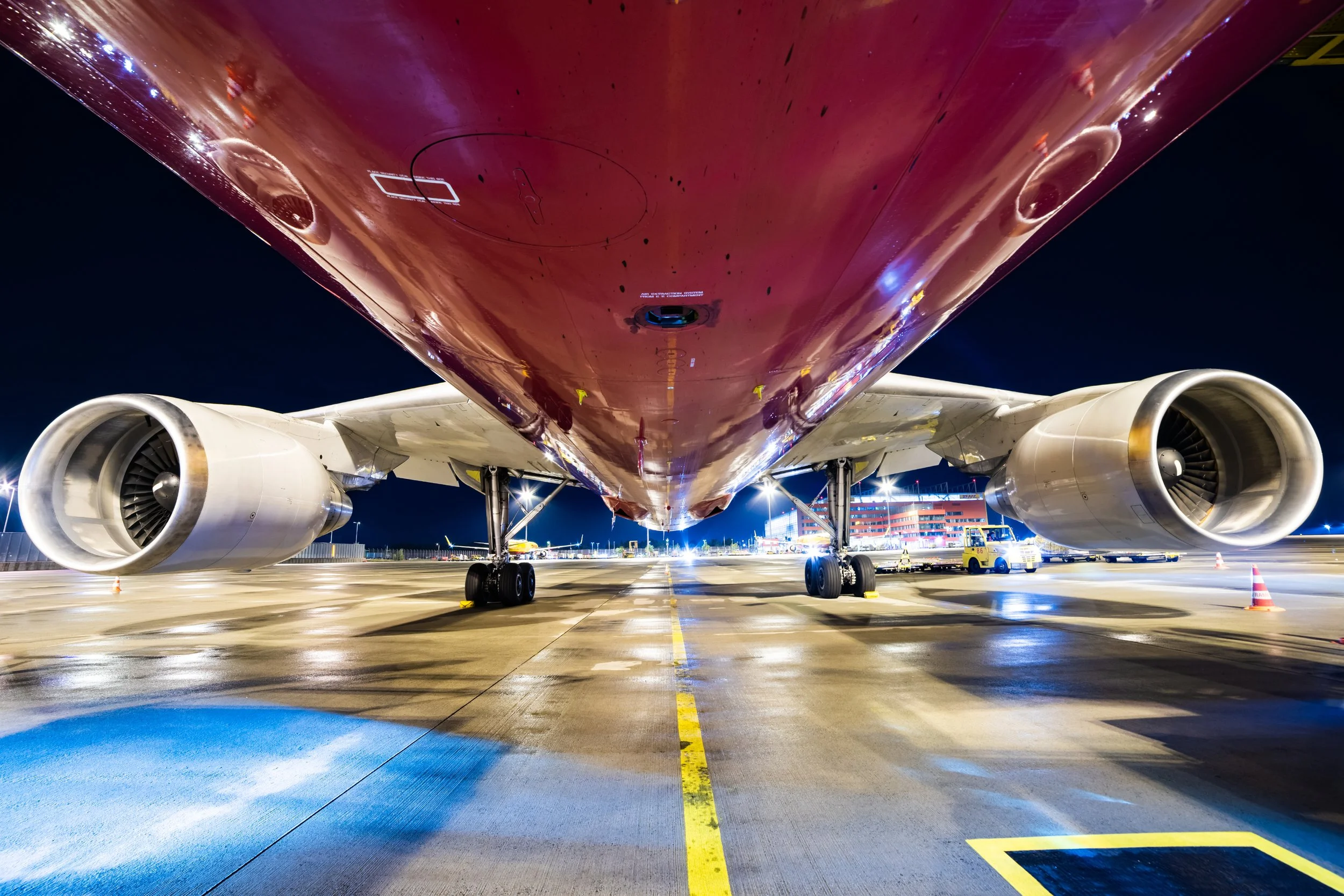
Despite EAT Leipzig only being granted their AOC in 2010, the airline is set on the foundation of over 25 years of air freight operations through their Belgian predecessor. EAT Belgium was a legacy operator of the Airbus A300B4 variant, one of the last wide-body airliners with a traditional analog cockpit and a separate flight engineer station before technical advancements reduced newer variants to two-pilot operations. The A300 legacy has continued at Leipzig with the A300-600R(F) forming the backbone of the fleet with 27 examples currently in service, making EAT the largest operator of the type outside of the United States. The majority of these are ex-Japan Airlines (JAL) whose retirement of the type timed well for EAT, with their withdrawal from service occurring months after the EAT move to Leipzig, when the airline was poised in position to scale up. The ex-JAL fleet was ferried to Dresden in eastern Germany for conversion from passenger to the freighter model, leaving a journey of only 80-miles to their new home at Leipzig. The A300 has proven to be a prized asset for EAT, capable of serving their high-density routes in Europe and further afield. The company’s confidence in the type has only strengthened in recent years with them taking on more A300’s from their DHL partner ASL Airlines Ireland. Despite the fleet having an average age north of 30 years, EAT Leipzig CEO, Christoph Hofmann affirmed the A300 is here to stay:
“DHL Express and EAT in turn has been operating A300s for a very long time and have developed an affection with the type. We primarily deploy them across our Europe network however with its versatility we also use it on long-haul flights to Lagos, Nigeria and Bahrain during the peak months. The A300 is a unique aircraft with no natural successors on the market which is why we have invested in fleet support functions as we intend to keep them flying for the foreseeable future - There’s no other aircraft available in the 40-45 tonne payload class which could step into the shoes of the A300.”
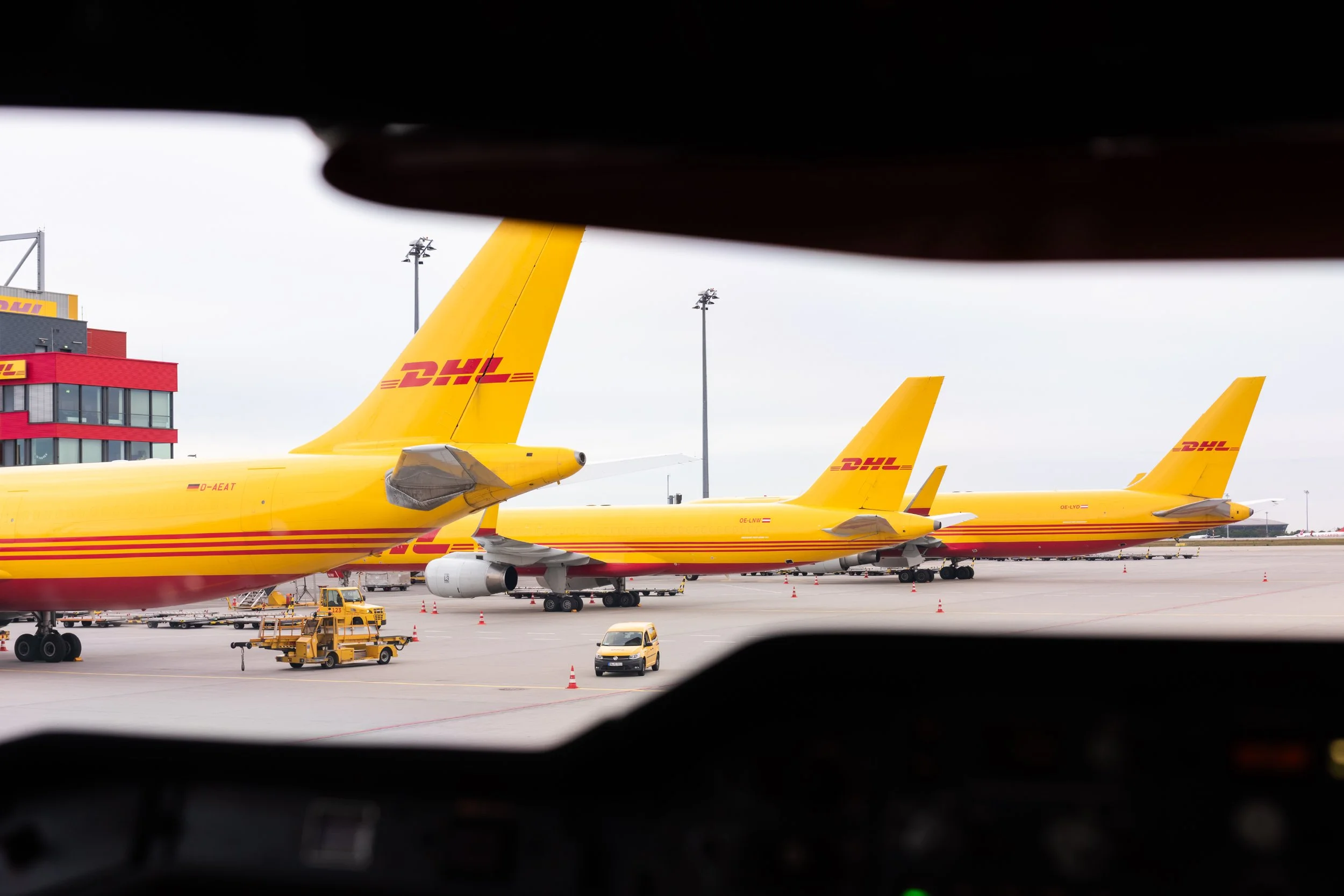
Aside from their A300 workhorses, the company also operates six Boeing 757-200F’s on their European Network, a number which has been maintained since the company was formed and continue to serve their thinner routes with less demand. The airline’s continuous development has seen them step into the long-haul market for DHL in 2018, when they obtained their first Airbus A330-200F to serve routes to North America. The A330 fleet has since grown to cover several destinations across both North America and Asia, feeding into DHL’s operation on each continent. The current wide-body fleet now consists of a mix of factory built A330 “-200F” and the -300 “Passenger to Freight” model which were also converted in nearby Dresden.
Being a predominately nighttime operation, the airline has tailored several unique support functions to look after the well-being of their air crews. The company’s corporate offices are adjoined the maintenance hangar and houses the flight operations department which takes care of flight planning, hotel and fuel arrangements. A unique quirk of EAT’s setup is that their office complex has 60 sleeping rooms spread over two floors for pilots and flight crew members. The single rooms with integrated bathrooms provide the flight crew a quiet environment to relax between flight duties and limit fatigue during night operations.
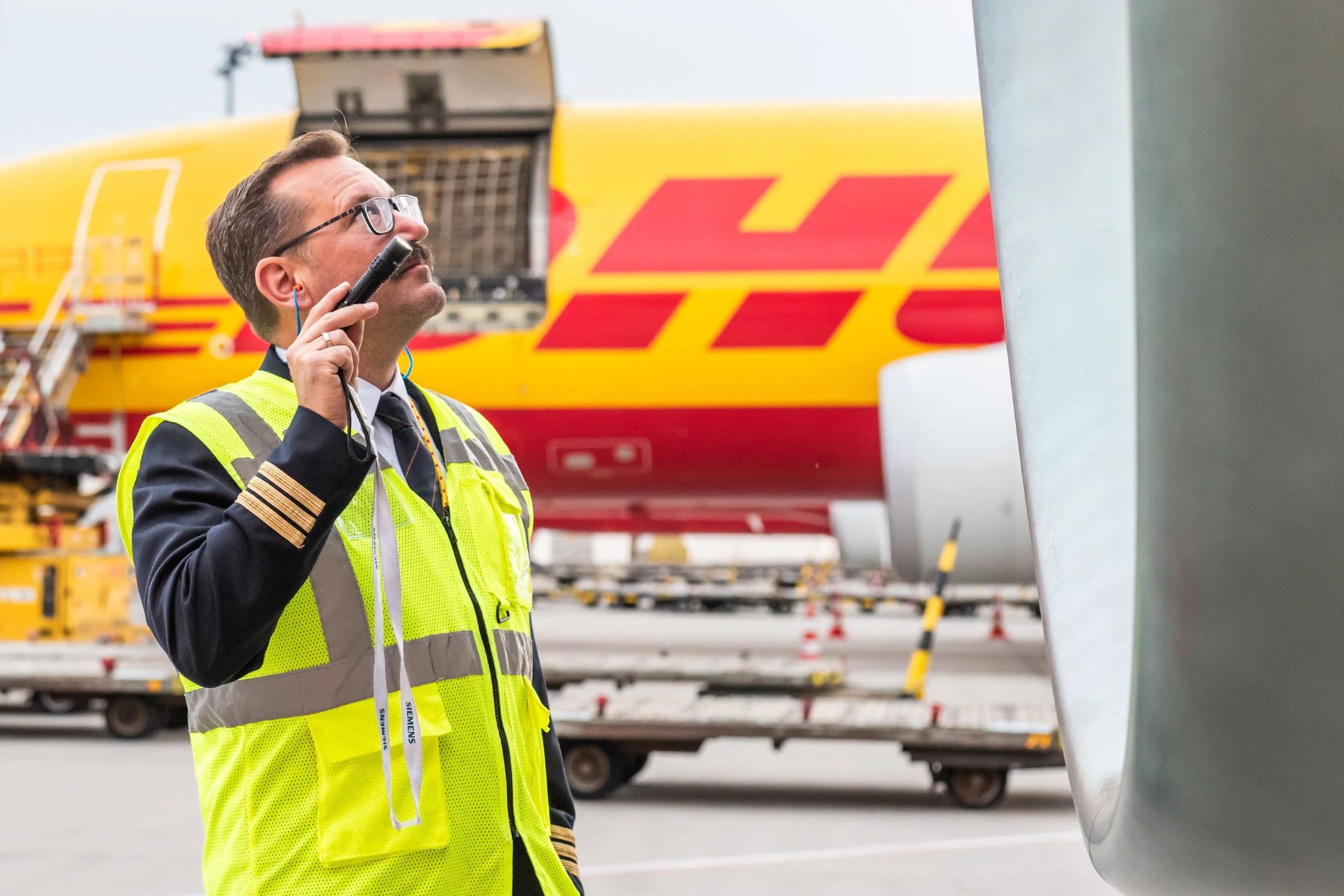
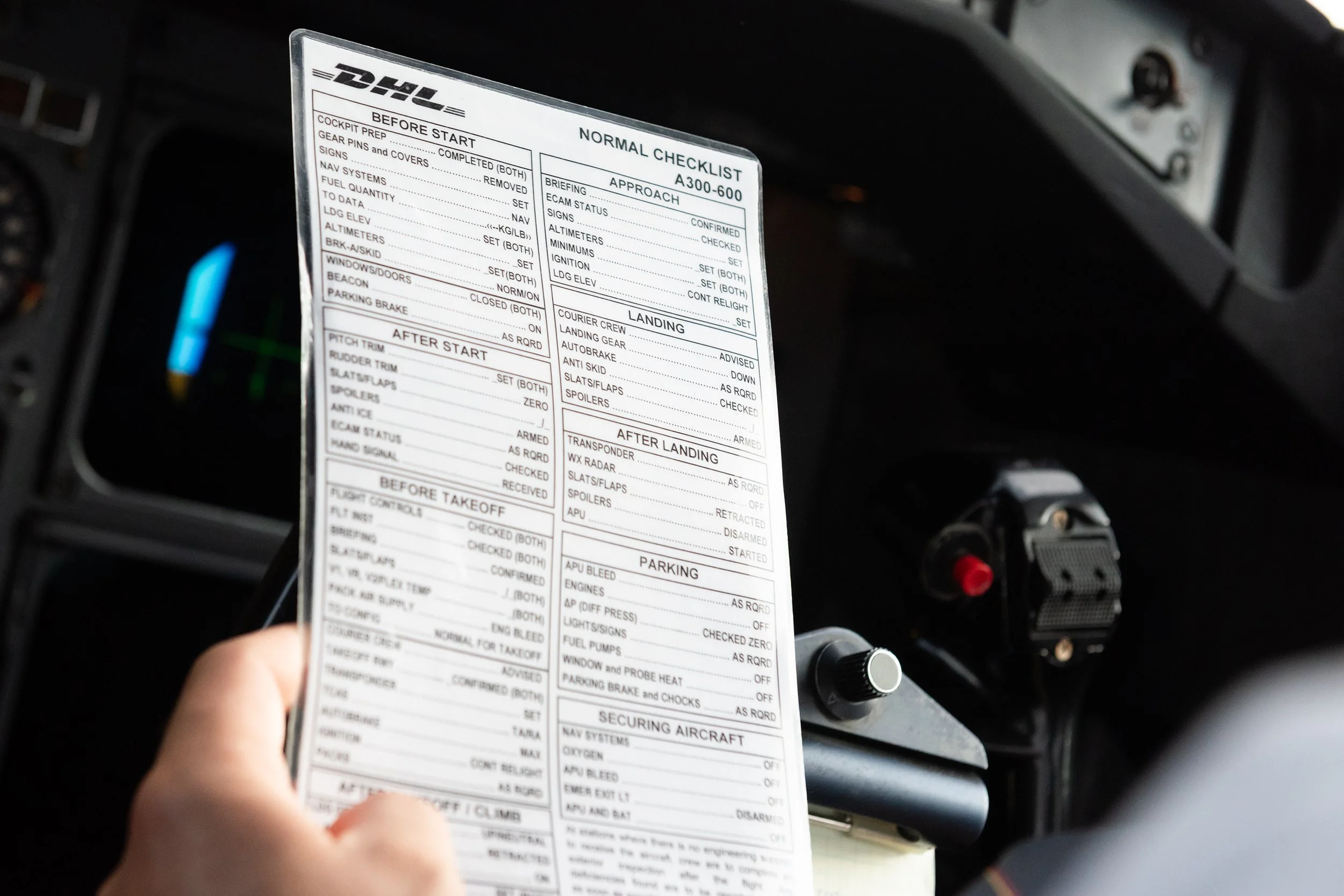
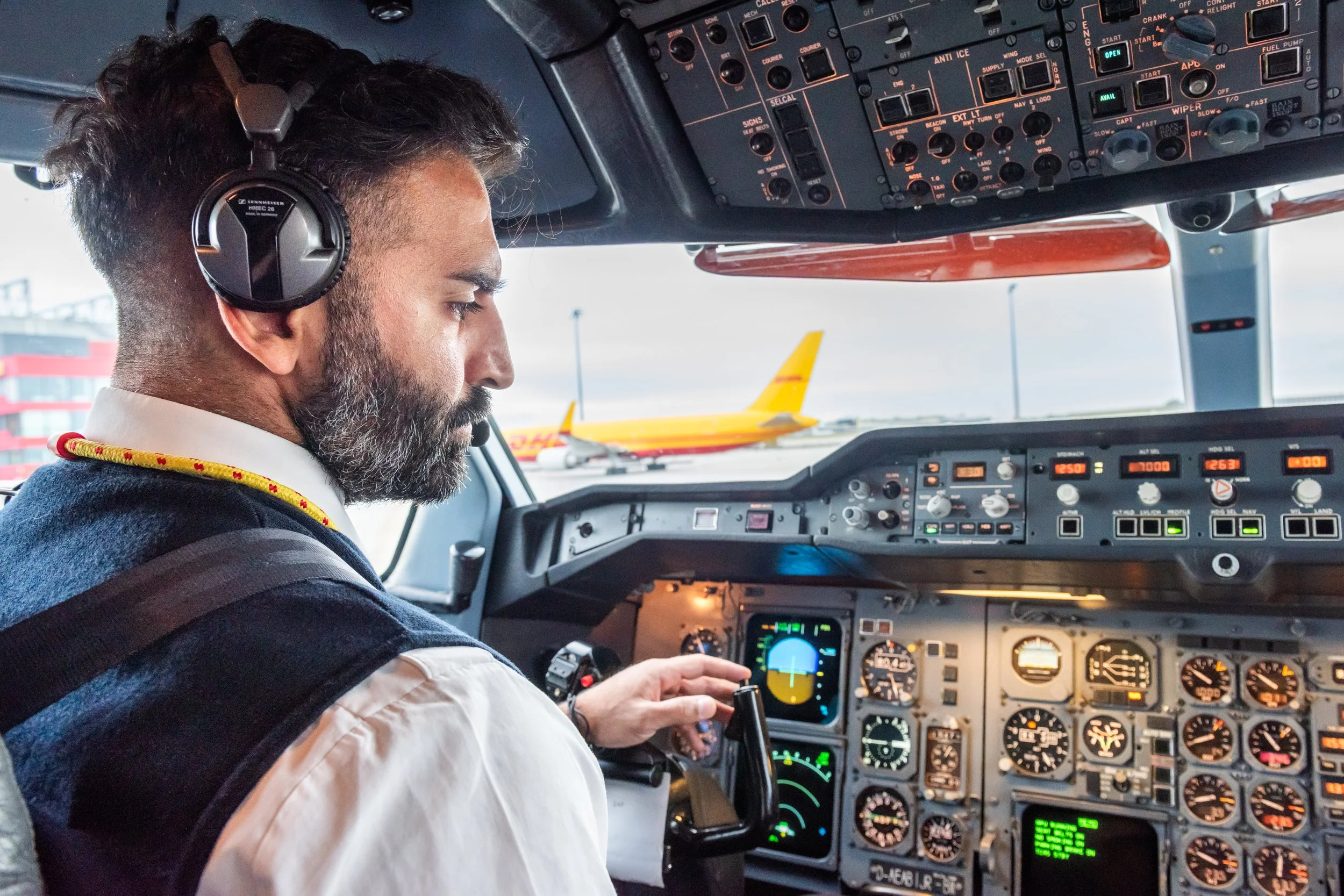
Christopher Looms, the Flight Operations Crew Care Supervisor gave an overview of their actions to look after the well-being of their colleagues:
“We provide our sleeping rooms on a priority basis with them being well utilised by our standby and layover crews. A lot of our crews will commute from other cities in Germany or Europe to conduct their flight schedule from Leipzig, so it’s also beneficial for them to have a space to rest before or after their sectors. We have additional bed bunks and lockers elsewhere in the building, which will soon be supplemented by sleeping pods, so everybody is always accommodated.
Our team members will also travel onboard the aircraft with our flight crews each year to gain a better understanding of the quality of service being provided in terms of the hotels, crew transport and catering we are using. We take this onboard along with the feedback from our personnel to determine how we can improve on these functions to provide the best possible working environment for our colleagues.”
The company is working with digital solutions to promote better working practices for their employees with a mobile app, where flight crews can select their catering and drinks for their upcoming flights through a points system which is determined by flight duration. The solution impowers their staff to select their preferences so they have peace of mind of what awaits them during the flights, rather than a random selection in times gone past. The initiative also reduces waste since the crews can select exactly what they would like or opt out if they don’t wish to eat during the night.
End-to-end Training
As newer and more fuel-efficient aircraft have entered the market in recent years, crew training for legacy types like the Boeing 757 and Airbus A300 is becoming increasingly scarce with demand for pilot training, parts, and maintenance support for these aircraft in decline. EAT have no plans to retire both types as they remain a good fit for their network, so as a business continuity measure the company elected to take training requirements into their own hands with a state-of-the-art facility being built from scratch.
The EAT Aviation Training Centre opened in 2020 with dedicated spaces to accommodate the recurrent training needs of their staff and the enrolment of new pilots, following EAT gaining an approval from the Luftfahrt Bundesamt (German Civil Aviation Authority) to issue type rating certifications thus being approved to complete all pilot training in-house. A significant investment was made in the project for two 7000XR full-flight simulators manufactured by CAE for the Boeing 757/767 and A300 which will spearhead EAT’s training needs for decades to come. The bespoke simulators are the highest-grade, most realistic flight simulators available on the market with accurate representations of the flight decks using real aircraft parts, integrated motion system and high-fidelity visuals. They are so accurate that pilots can use them for "zero-flight-time" training, allowing them to be certified on an aircraft type without ever flying the real one.
The building is split in half into Airbus and Boeing sections with classroom spaces for trainees to complete their initial theoretical training. Once trainees start their practical training, they have access to flight deck mock-ups with limited functionality where they can practice procedural scenarios as it doesn’t require the full motion. The CAE simulators are normally running 24/7 and are booked out weeks in advance supporting their 480-strong crew team and some DHL airline partners, so the company is always looking for ways to improve efficiencies and free up space. Recently EAT has partnered with Danish firm VRpilot to deliver virtual reality procedure training technology for the A300 where the flight deck layout has been created for crews to conduct procedural training as part of their type rating in a realistic environment where there’s feedback from their control inputs. The technology is also utilised to conduct firefighting scenarios, so the company no longer relies on the airport fire department to create real fires to complete this module.
Airbus A300 First Officer Jan Lars Fuhrmann joined EAT in 2022 as his first job in commercial aviation. He provided his account of the process of becoming a qualified pilot on the Airbus A300 at EAT:
“I’ve always been passionate about aviation, but at the time of applying I only had some experience as an instructor for single engine aircraft and gliders, so it was a huge step joining EAT to fly the Airbus A300. It’s a privilege getting to fly this truly iconic aircraft which originally started out in the same era as the Boeing 747 and Concorde.
The training started with a theoretical course covering all systems of the A300, it was very demanding even having a keen interest in all technical aspects with my engineering background. To put the acquired theoretical knowledge into practice and to get to know the behaviour of the aircraft, each one of us had 17 sessions in the simulator consisting of 4-hour blocks to progress through the procedural training which mainly consisted of practicing complex or emergency scenarios. Following a check in the simulator to achieve the type rating, the final steps was taking controls of the actual aircraft to conduct traffic patterns at Leipzig to complete 8 touch and go’s. Finally getting onboard the real thing and flying it is truly the greatest moment with all the hard work it’s taken to reach that point.”
Fuhrman has since taken up a post in Flight Safety Department, mixing his working week between the flight deck and the corporate office analysing flight data:“A position opened where I could apply my engineering background interpreting data and programming so it’s ended up being an opportunity where I can give back through my expertise in my old profession. I’m really grateful for the opportunities EAT has afforded me, particularly since I’ve joined later in my working life which is a tough challenge in aviation.”
Looking Ahead
“We are a young company compared to others in Europe, but we have come a long way as we approach our 20th Anniversary in December” EAT CEO, Christoph Hofmann stated. “The scale on which the company has grown and developed has been second to none and it wouldn’t have been possible without our 1400 dedicated employees and I’m very thankful that we can provide our customers with service at the highest standard that we do.”
Hofmann’s comments resonate within all employees of EAT, who strive for success each shift through the strong sense of community in their workplace. The CEO himself remains a current captain on the Airbus A330F roster, providing a rare opportunity for senior management to interact with employees from diverse areas to see and feel the issues they have to overcome firsthand.
On the MRO front, with the companies Leipzig facilities in heavy demand, EAT has chosen to invest over 40 million euros in constructing a new 6000 square meter MRO hangar at Vitoria Airport in northern Spain to alleviate the strain on the Leipzig base. The new hangar is in close proximity to DHL’s hub in Spain, initially employing around 50 people. The new setup is planned to focus on maintenance tasks for the DHL (EAT Leipzig & DHL Air Austria) Airbus and Boeing 757 fleet. Beyond the hangar, the facility will include apron space, office and storage areas for tools and major aircraft parts.
DHL has recently extended its partnership with Mitteldeutsche Flughafen AG (the airport company for Leipzig/Halle Airport) until 2053, agreeing their landing fees for this period and confirming Leipzig's importance as a central hub for its global network. DHL are keen to explore extending their already vast logistics hub, however it may take some time due to the on-going planning and legal processes for such an undertaking. The positive trajectory coming out of Leipzig however affirms the red and yellow jets will continue to dominate the airports landscape there for the foreseeable future.